
Published November 2, 2026
Downsizing in York County: Finding the Right Home After the Kids Move Out

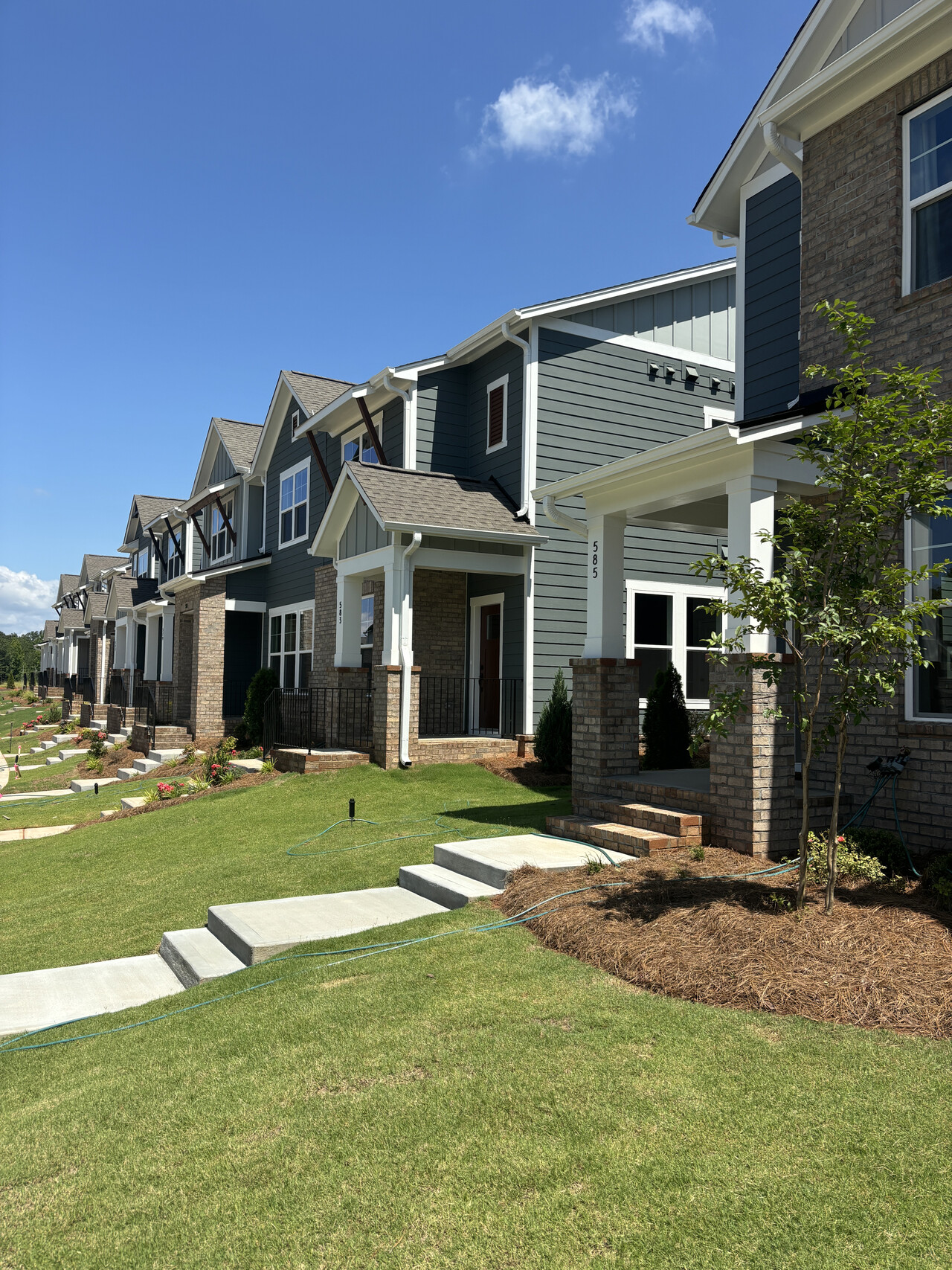
As the holidays get closer, you may already be picturing the house full again: every bedroom in use, the dining table pulled out to its full length, and the kitchen busier than it’s been in months. You also know how it feels once everyone heads home. The bedrooms go quiet, the yard still needs attention, and you may find yourself living in the same few rooms while maintaining the rest.
That doesn’t mean you need to move. But if you’re wondering whether your home still fits, it helps to think through what you’d want from a change. For homeowners across York County, downsizing looks different depending on where you live now and where you want to stay.
Start With What You Want to Make Easier
Before deciding how many bedrooms you need, look at what feels inconvenient about your current home. It could be the stairs, the upkeep, the expense, or the distance from people you see regularly.
Those answers lead to very different searches. A smaller two-story home does little to solve a stairs problem, and a smaller house on a large lot can leave you with just as much outdoor work. Write down what you’d like to spend less time doing and what you still want room for. A guest bedroom, a workshop, or a dining table that seats the whole family may matter more than reaching a particular square footage.
What Smaller Looks Like in Rock Hill, Fort Mill, and Clover
The same goal can mean very different things from one part of the county to the next.
In Rock Hill, many homeowners are drawn to Old Town, where the original neighborhoods put you near Fountain Park, Winthrop University, and events like ChristmasVille. Those older homes have real character, but they can also come with stairs, older systems, and steady maintenance, so a smaller footprint isn’t always a lighter workload. Riverwalk, along the Catawba River, offers a mix of townhomes, single-family homes, and apartments. Because maintenance varies from one property to the next, compare the specific home and find out what any association is responsible for and what you’d still handle yourself.
In Fort Mill, the question is often about community and convenience. Neighborhoods like Baxter Village are known for their trails and shared spaces, and homes there include both townhomes and single-family options. Floor plans vary, so if a main-level primary bedroom matters to you, confirm it for the specific home. It’s also worth asking exactly what association dues cover, since the amenities near a neighborhood aren’t always the ones included in the fees.
In Clover, the decision often centers on land. If your home sits on a large lot or a few acres, the mowing, fencing, and driveway upkeep may be what you most want to leave behind. If you’re focused on staying within Clover’s town limits, your search may be more limited, so it helps to decide early whether being near Main Street matters or whether you’re comfortable looking farther out. Nearby communities like Lake Wylie, York, and Rock Hill may open up more choices.
Wherever you’re looking, drive the routes you’d actually use. Check the trip to family, the grocery store, and regular appointments at the times you’d normally travel, because a house can check every box inside and still make everyday life harder if the location doesn’t work.
Compare the Full Cost of the Next Home
A smaller home won’t necessarily have a lower purchase price or monthly cost. Compare the expected payment, insurance, utilities, maintenance, and any association dues, and confirm what any lawn care or exterior maintenance fees include.
Property taxes deserve a look as well. In South Carolina, a primary residence may qualify for a lower rate, but you have to apply for it. Rather than relying on the seller’s current tax bill, ask for an estimate of what the taxes would be for you as the new owner. The York County Assessor’s Office can answer questions about a specific property, and a tax professional can explain whether selling your current home has any tax implications.
You’ll also want an estimate of what you could receive from selling your current home after the remaining mortgage and selling expenses. That gives you a clearer starting point for deciding what to spend next.
Leave Room for the Emotional Side
Sorting through a longtime home can take longer than preparing it for sale. There may be children’s belongings, inherited furniture, and the dining table that hosted years of holidays.
Starting with one closet or one unused room can make the process more manageable. If family members want particular items, ask them to arrange a time to pick them up rather than leaving those decisions until moving week. You can begin this work before you’ve decided whether to sell, which gives you time to make thoughtful choices without the pressure of a closing date.
You Can Start Before You’re Ready to List
You don’t need to be ready to list your home to begin exploring what a move could involve. Learning what your current home may sell for and what suitable homes are available can help you decide whether downsizing makes sense now or belongs in a longer-term plan.
If you’re considering downsizing in York County, I’m glad to help you compare your options. We can talk through what you want to keep about your current lifestyle, what you’d like to change, and what that could look like in your next home.
Micah Winn is a top rated real estate agent licensed in South Carolina (SC 117079) and North Carolina (NC 319250), helping buyers, sellers, and investors across the Greater Charlotte area, including Rock Hill, Fort Mill, York, Lancaster, Clover, Tega Cay, Chester, and surrounding communities.

Micah Winn
Top Solo Agent | Micah Winn Home and Land | Keller Williams Connected
or another way